• Home
  • Primary
  • Secondary
  • Students
  • Library
  • About us
  • Contact us
  • SAPS Associates login

Search the site

 
  • Teaching Resources
  • Beyond the Classroom
  • Plant Science News
  • Specifications
  • CPD

Download Resources

There are currently no resources associated with this article - perhaps you could suggest one

More like this

  • Using Mung Beans in the Lab
  • Using Cauliflower in the Lab
  • Using Beetroot in the Lab
  • Using Pelargoniums (Geraniums) in the Lab
  • Using Dandelions in the Lab
  • Using Aspidistra in the Lab
  • Using Sundews in the Lab
  • Horticultural and Botanical Glossary
  • Using Living Stones (Lithops) in the Lab
  • Using Mimosa pudica in the Lab
  • Using Horsetail in the Lab
  • Using Holly in the Lab
  • Using Spinach in the Lab
  • Using Duckweed in the Lab
  • Using Daisies in the Lab
  • Using Spider Plants in the Lab
  • Using Radishes in the Lab
  • Using Green Algae in the Lab
  • Using Green Cabomba in the Lab
  • Using Elodea in the Lab
  • Using Broad Beans in the Lab
  • Using Garlic in the Lab
  • Using Cress in the Lab
  • Using Onions in the Lab
  • Using Venus' Fly Trap in the Lab
Home > Secondary > Teaching Resources > Using Potatoes in the Lab

Using Potatoes in the Lab

Practicals
Teaching topics
Description
Growing and sourcing
Curriculum links


Potatoes are well known as a reliable and easy to obtain resource for key practicals such as investigating osmosis. However, there are other ways in which you can use these useful vegetables in the lab. 


Practicals

  • Osmosis - Measuring the water potential of a potato cell. Resource - Measuring the water potential of a potato cell including the Charadakov method.
  • Osmosis - Effects of solute concentration on potato discs
  • Asexual reproduction - Potatoes can be used as an example plant for asexual reproduction along with spider plants, the Mexican Hat Plant and Strawberries
  • Carbon cycle - Fresh potatoes can be used to investigate the process of decay as part of the carbon cycle 
  • Topic - Resource - Investigating potato cyst nematodes 


Teaching Topics

  • Cell membranes
  • Osmosis
  • Asexual reproduction
  • Carbon cycle (Decay)


Description

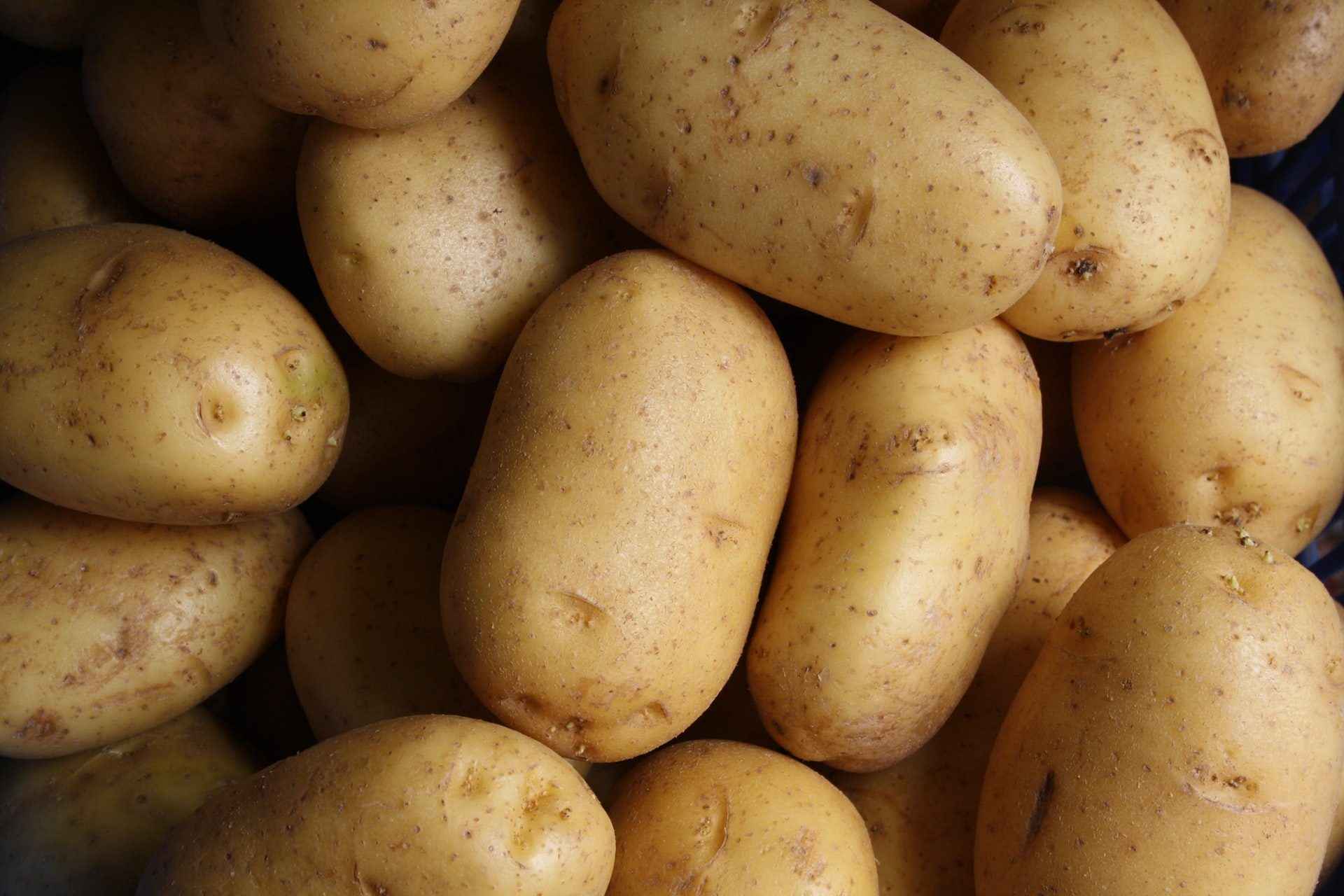
Potato, Solanum tuberosum

An edible tuber with world-wide distribution. The potato is an important source of dietary starch, along with rice, wheat and maize. Some cultivars are vulnerable to potato blight (Phytophthora infestans), a fungal disease that had devastating effects on the Irish potato crops of both 1845 and 1846, causing extensive malnutrition and loss of life.


Growing and sourcing

Easily obtained from greengrocers, markets and supermarkets at reasonable cost.

Curriculum Links   

CfE

  • Scottish Highers Unit 3 Sustainability and interdependence


GCSE

  • OCR GCSE Biology 3.7 module B4(d) diffusion and osmosis
  • AQA biology B3.1.3 exchange systems in plants practicals 
  • OCR GCSE Biol. B module B3 (g) (asexual reproduction)
  • AQA GCSE Biol. B1.6.2 (potato decay)
  • AQA GCSE Science A B1.6.2 (potato decay)
  • OCR GCSE Science A B3.1 17 (d) (potato decay)


A-level

  • OCR Biology AS/A2 3.1 AS F211 1.1.2 cell membranes (j)
  • AQA Biology AS/A2 3.1.3 osmosis practical
Tags: 11 -14 (KS3) 14 -16 (KS4) Post 16 Movement in & out of cells Plant cells & tissues Plant responses & hormones Products of plants
 
Joomla SEO powered by JoomSEF
 
 
  • RSS
  • Follow Us
Primary
  • Teaching Resources
  • Beyond the Classroom
  • Hints & Tips
Students
  • Projects
  • Further Reading
  • Careers
  • Further Study
Secondary
  • Teaching Resources
  • Beyond the Classroom
  • Plant Science News
  • Specifications
Library
  • Plant Science Image Library
  • Pollen Image Library
  • Identifying Trees & Shrubs
Legal & Other
  • Terms & Conditions
  • Health and Safety
  • Accessibillity

© 2012 Science & Plants for Schools