• Home
  • Primary
  • Secondary
  • Students
  • Library
  • About us
  • Contact us
  • SAPS Associates login

Search the site

 
  • Teaching Resources
  • Beyond the Classroom
  • Plant Science News
  • Specifications
  • CPD

Download Resources

There are currently no resources associated with this article - perhaps you could suggest one

More like this

  • Using Mung Beans in the Lab
  • Using Cauliflower in the Lab
  • Using Beetroot in the Lab
  • Using Pelargoniums (Geraniums) in the Lab
  • Using Dandelions in the Lab
  • Using Potatoes in the Lab
  • Using Aspidistra in the Lab
  • Using Sundews in the Lab
  • Horticultural and Botanical Glossary
  • Using Living Stones (Lithops) in the Lab
  • Using Mimosa pudica in the Lab
  • Using Horsetail in the Lab
  • Using Holly in the Lab
  • Using Spinach in the Lab
  • Using Duckweed in the Lab
  • Using Spider Plants in the Lab
  • Using Radishes in the Lab
  • Using Green Algae in the Lab
  • Using Green Cabomba in the Lab
  • Using Elodea in the Lab
  • Using Broad Beans in the Lab
  • Using Garlic in the Lab
  • Using Cress in the Lab
  • Using Onions in the Lab
  • Using Venus' Fly Trap in the Lab
Home > Secondary > Teaching Resources > Using Daisies in the Lab

Using Daisies in the Lab

Practicals
Teaching topics
Description
Growing and sourcing
Curriculum links


Whether you love them or loathe them in your lawn, daisies are plants that make a useful contribution to ecological fieldwork, allowing  investigations on topics of abundance, distribution and habitats.  They are also a nice example of a plant which clearly demonstrates circadian rhythms.


Practicals

  • Ecology - Measure its distribution using transect and quadrats. Resource: Measuring abundance and random sampling. 
  • Ecology - Resource: Questions about Quadrats.
  • Circadian rhythms - View more information and a video of daisies opening and closing here.


Teaching Topics

  • Sampling
  • Quadrats
  • Habitats
  • Distribution
  • Abundance
  • Transect
  • Circadian rhythyms


Description

Daisy, Bellis perennis

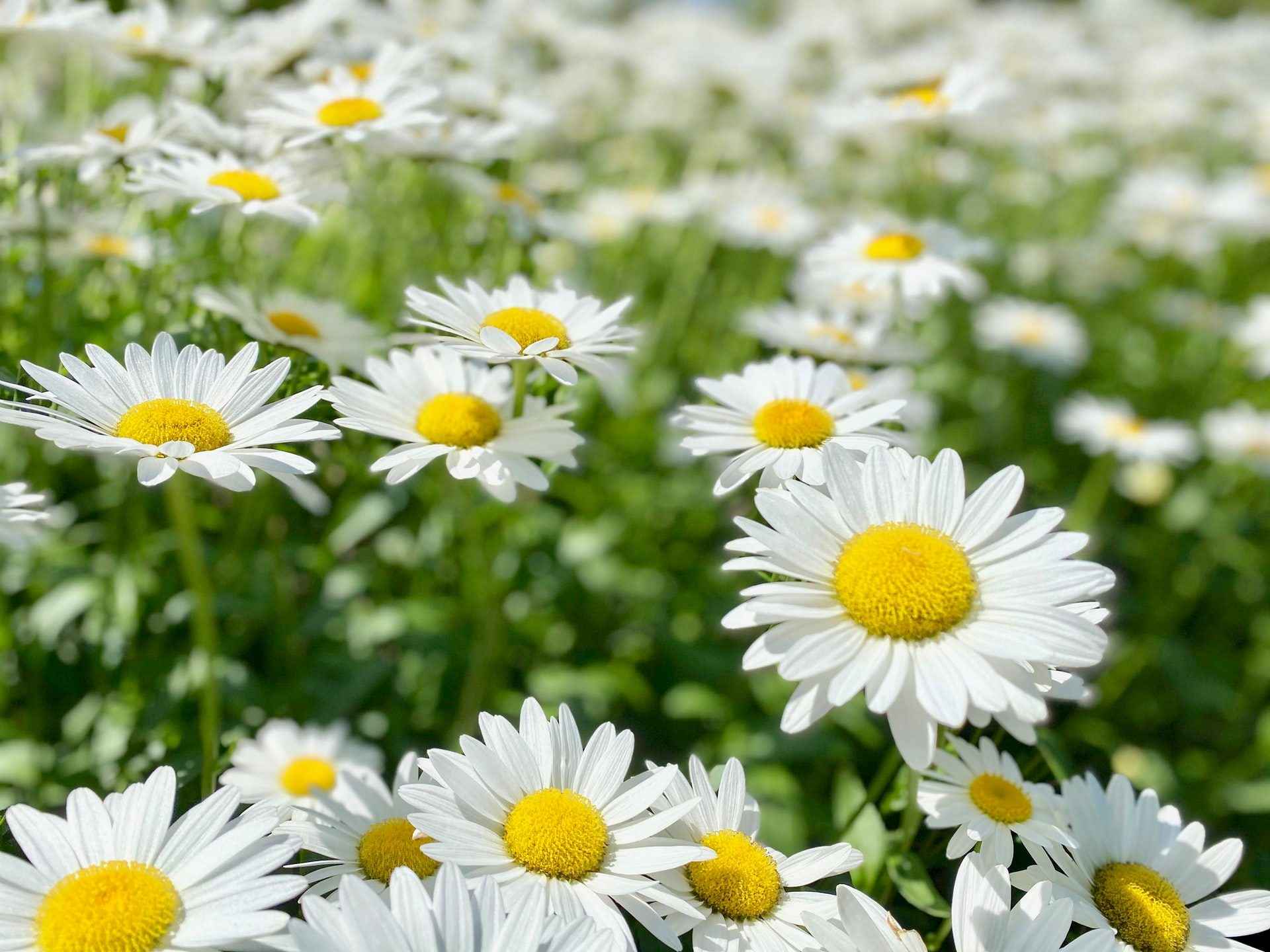
An abundant, small, low-lying plant visible in short turf, has white flowers with yellow centres and pink flecks that appear most of the year, except in freezing conditions. Daisies clearly demonstrate circadian rhythms, as during the course of each day the daisy's leaves flap, the flower petals open and close, the stem grows in spurts, and the stomata open and close. In fact, the modern name "daisy" comes from the original name "day's eye". Find out more about circadian rhythms in daisies and the genes that control them here.


Growing and sourcing

Obtaining: Widely distributed in school grounds and playing fields. No cost, but you will need to advise school ground staff not to cut when the flower heads are produced and check no weed-killers are being applied. A useful resource for this activity is the FSC playing field plants foldout guide.


Curriculum Links   

  • Edexcel Additional Science 2.22 and 2.23 - Fieldwork
  • OCR Science A - Fieldwork
  • Scottish Highers Unit 3 - Sustainability and interdependence (fieldwork)
  • OCR Biology AS/A2 Practical skills (HSW5) - Species richness/evenness in habitat
  • Edexcel AS/A2 Biology unit 4 (11) - Opportunity for practical
  • AQA Biology AS/A2 3.6 - Fieldwork


Images

Image by Pro2 via Wikimedia Commons

Tags: 7 -11 (KS2) 11 -14 (KS3) 14 -16 (KS4) Post 16 Adaptation Ecology & evolution Photosynthesis Plant responses & hormones
 
Joomla SEO powered by JoomSEF
 
 
  • RSS
  • Follow Us
Primary
  • Teaching Resources
  • Beyond the Classroom
  • Hints & Tips
Students
  • Projects
  • Further Reading
  • Careers
  • Further Study
Secondary
  • Teaching Resources
  • Beyond the Classroom
  • Plant Science News
  • Specifications
Library
  • Plant Science Image Library
  • Pollen Image Library
  • Identifying Trees & Shrubs
Legal & Other
  • Terms & Conditions
  • Health and Safety
  • Accessibillity

© 2012 Science & Plants for Schools