|
|
 |
Primary Booklet: Parts of a Plant and their Functions |
One of a series of booklets written to support plant science in the Primary Curriculum.
This topic introduces pupils to the basic parts of a flowering plant - the root, stem, leaf and flower. It provides a range of activities that include growing plants from seed (inside or outside the classroom), ways of making simple models of a plant and card games that are fun but at the same time reinforce pupil learning and help them to be ready to move on to the next stage. |
 |
Primary Booklet: Living processes, and what plants need to grow |
Number 3 in an online version of a series of booklets written to support plant science in the Primary Curriculum. This booklet includes activities that children can do to find out more about plants, focusing on ways that children can grow their own plants. Several of the activities are set out as investigations, to support children developing their approach to investigations in a scientific way. |
 |
Fruits, seeds and their dispersal |
This series of activities gives pupils an opportunity to explore different aspects of fruits and seeds and to understand how (and why) they are dispersed. |
 |
Primary Booklet: Reproduction and Life Cycles - Part 1 |
Number 1 in an online version of a series of booklets written to support plant science in the Primary Curriculum. This topic introduces pupils to the basic parts of a flowering plant, with a range of fun activities to reinforce pupil learning. |
 |
Primary Booklet - Grouping and Classification |
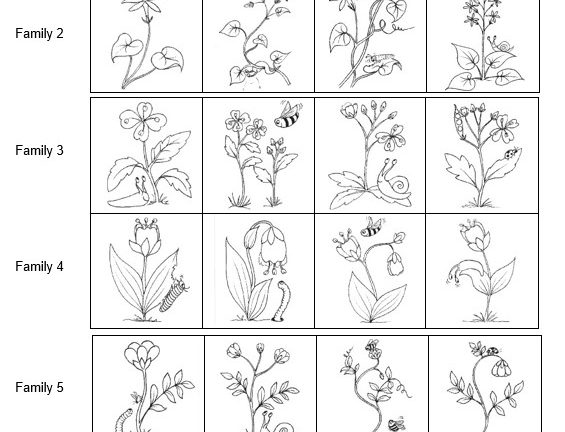
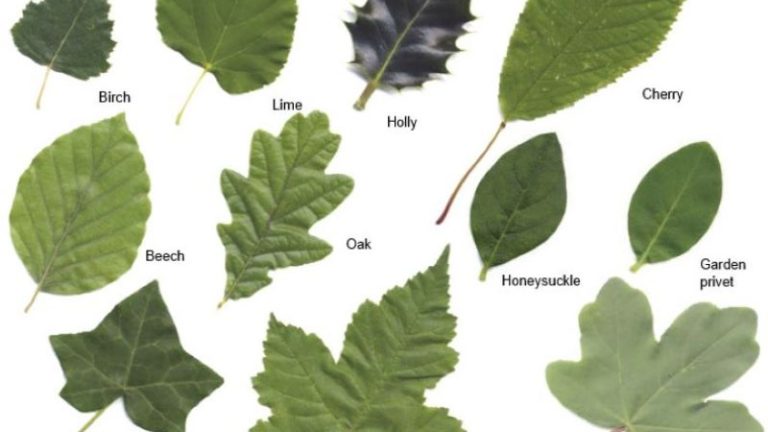
This topic encourages children to explore the nature of living things, and introduces the ideas of classification and making keys. Some activities are presented at two levels - an introductory version that may be suitable for younger children and a version that may be suitable for older children, to help them build on earlier knowledge and develop them further in a more advanced way. |
 |
Plants for Primary Pupils Booklets - Overview |
An introduction and overview of our six Plants for Primary Pupils booklets, which cover a wide range of topics on primary science, including plenty of opportunities to develop numeracy and literacy skills and to make cross-curricular links. |
 |
Primary Booklet - Plants in their Natural Environment |
Number 5 in an online version of a series of booklets written to support plant science in the Primary Curriculum. In this final booklet, children are encouraged to look beyond a single plant to consider habitats, ecology and adaptations. |
 |
Primary Booklet: Reproduction and Life Cycles - Part 2 |
Numbers 2b of a series of booklets written to support plant science in the Primary Curriculum. In these booklets, children build on their understanding of the parts of a plant, and look at pollination and fertilisation. |
 |
A Leaf in Time - A Popular Introduction to Photosynthesis |
Using photosynthesis as the link, this beautifully produced book looks at a range of topics of interest to pupils especially at Y5 and 6 (animals and plants are interdependent, process of photosynthesis, greenhouse effect, energy conservation) |
 |
How does light affect growing plants? |
This experiment helps pupils understand about light and plant growth, by growing seedlings in three different conditions of light within film cans. |
 |
Having Fun Growing Plants |
This activity gives children a chance to bring their own ideas and materials and have real fun trying to grow some plants. Some ‘seeds’ are likely to be more successful than others, but a little exploring and watching what happens can bring its own surprises and excitement. The children may need to be patient as some things they bring in could take quite a long time before they germinate – perhaps a term or more. |
 |
Dandelions . . . across the curriculum at KS2 |
How do dandelions grow in different habitats? . . . Can we measure their growth to give us useful information about these habitats? Can we then link these measurements to science teaching about plants, and to other aspects of the National Curriculum - in numeracy, literacy and IT? |
 |
Primary Numbers in Plants - Amaryllis flowers |
Amaryllis plants offer a whole range of opportunities to look at numeracy, including drawing graphs, considering symmetry, and carrying out investigations. This teachers' sheet introduces you to some of these ideas. |
|