• Home
  • Primary
  • Secondary
  • Students
  • Library
  • About us
  • Contact us
  • SAPS Associates login

Search the site

 
  • Teaching Resources
  • Beyond the Classroom
  • Plant Science News
  • Specifications
  • CPD

Download Resources

  • Filetype icon SAPS Water Potential of a Potato Cell - student notes
  • Filetype icon SAPS Water Potential of a Potato Cell - technical notes

More like this

  • News - Plants inspire new classes of structure
Home > Secondary > Teaching Resources > Measuring the water potential of a potato cell including the Chardakov method

Measuring the water potential of a potato cell including the Chardakov method

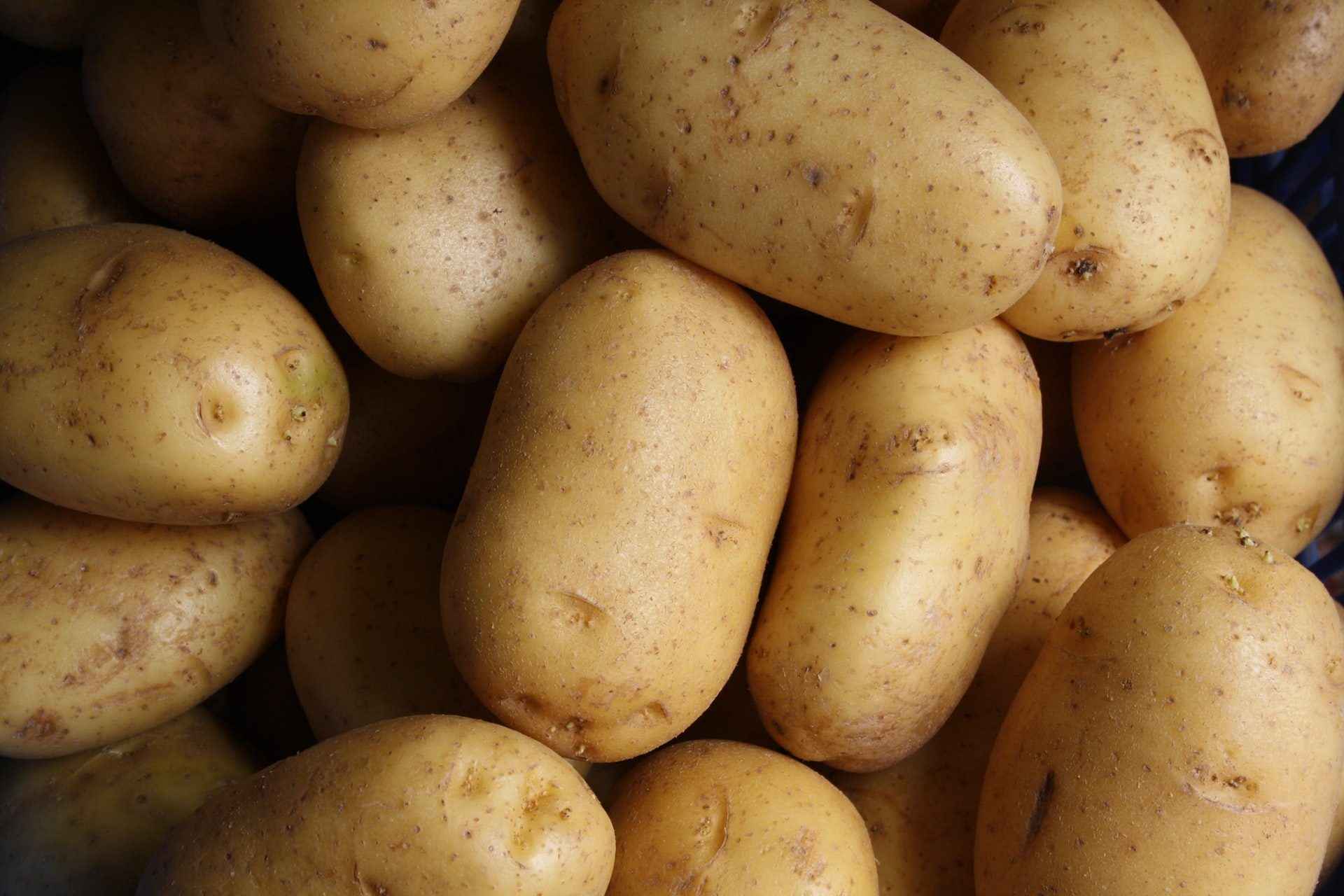
Osmotic potential of plant cells is a key part of understanding cellular processes. Here we present two methods of determining osmotic potential of plant tissues using potatoes.

The standard protocol for measuring weight change of tissues in varying osmotic solutions is reliable but do not demonstrate the changing solute potentials.

We also present a protocol that is slighly more challenging, but far more visual, the Chardakov method. Here students can observer changing solute potentials, by observing the resulting density change in sugar solutions in which potato tissue has been immersed. A coloured extract of the bathing solution can be seen to fall, rise or disperse when added to a known molar sugar solution.

This could be attempted as an individual investigation, or could be presented to the class as a demonstration with flex / web cams on the whiteboard.

Tags: Post 16 Plant cells & tissues
 
Joomla SEO powered by JoomSEF
 
 
  • RSS
  • Follow Us
Primary
  • Teaching Resources
  • Beyond the Classroom
  • Hints & Tips
Students
  • Projects
  • Further Reading
  • Careers
  • Further Study
Secondary
  • Teaching Resources
  • Beyond the Classroom
  • Plant Science News
  • Specifications
Library
  • Plant Science Image Library
  • Pollen Image Library
  • Identifying Trees & Shrubs
Legal & Other
  • Terms & Conditions
  • Health and Safety
  • Accessibillity

© 2012 Science & Plants for Schools